
Hey there, fellow marketing enthusiast! Landing pages are like the secret sauce of B2B marketing. They’re your golden ticket to turning random website visitors into awesome leads or even paying customers. In this article, I will share a no-nonsense, step-by-step guide on creating and optimizing a landing page that gets results. Whether you’re a copywriter, digital marketer, website designer, or business owner, these insights will help boost your online conversion rates.
Step 1: Get Your Objective Straight
First things first, don’t start designing or typing away until you’ve got your goal crystal clear. What do you want those visitors to do? Are you looking to capture leads, promote a free trial, or sell a product or service? Once you define your goal, everything else falls into place.
Imagine you’re a B2B SaaS company, and your objective is to capture leads interested in your software. You can place a lead generation form prominently on your landing page. Request essential information such as name, email, and company name. Be transparent about how you’ll use their information, emphasizing that it’s to provide them with valuable software-related content or set up a demo, as OutSystems did.

Step 2: Keep It Sleek and Simple
Keeping your landing page sleek and simple is like rolling out the welcome mat for your visitors. It enhances user experience, improves load times, reduces bounce rates, and can lead to higher conversion rates. Moreover, it allows you to communicate your message clearly and effectively while maintaining brand consistency and ensuring a mobile-friendly experience.
Think of your B2B consultancy firm’s landing page. It should have a professional, uncluttered design with your company logo, a brief introduction, and a prominent CTA button for scheduling a free consultation. Check out the ForgeRock landing page. This design exudes professionalism and guides visitors towards the desired action.

Additionally, there’s no need for distractions — get rid of those extra links, menus, and other junk that could steer folks away from your CTA. Your landing page should have laser focus. Visitors should be focused on requesting the demo, not navigating through unrelated content. Simplicity and focus enhance conversion rates.
Check out Oracle’s landing page with a free supply chain planning demo.

Step 3: Craft Killer Headlines and Subheadings
Your headline is your chance to shine. Make it count. Address your target audience’s pain points and present a solution. Subheadings should provide additional context and keep visitors engaged.
Suppose you’re promoting a cybersecurity solution for B2B clients. Your headline could read, “Protect Your Business from Cyber Threats,” while subheadings might elaborate on the types of threats your solution guards against. Boom! You’re addressing their pain points right out of the gate.
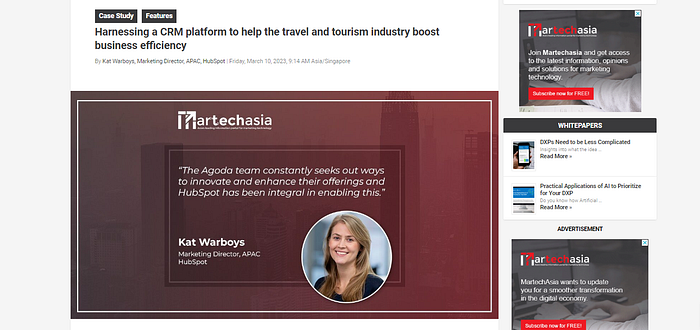
You can also create a hero section. Use a visually appealing image or graphic related to your software, like a screenshot of your user interface or a professional image representing your industry. Below the image, provide a brief introductory paragraph that reaffirms your objective. For example, “Welcome to [Your Company Name]. Our mission is to help businesses like yours thrive by providing cutting-edge software solutions.”
Look how MartechAsia curated a compelling headline with a hero image for a case study landing page below.
Step 4: Write Copy That Sells
Ron Popeil, a famous American inventor and marketing personality, was the one who coined ‘“But wait, there’s more!” that succeeding salesmen used to win more deals. When writing copy that sells, your target audience must feel excitement and a spark of curiosity. Your words should be all about the benefits, not just the features. Use clear, concise language, and speak directly to your audience.
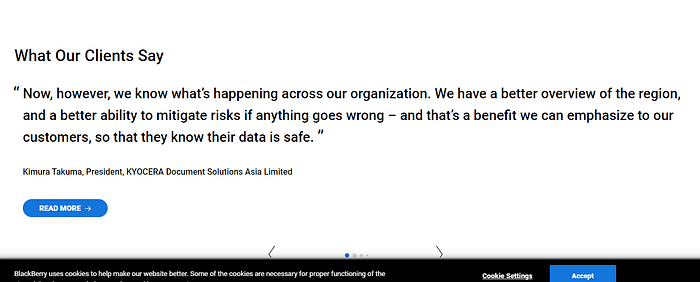
If you’re selling marketing automation software to B2B businesses, your copy should explain how your solution saves time, increases efficiency, and boosts ROI. You could even throw in a testimonial from a happy customer who swears by your software. That’s the kind of copy that seals the deal.
Step 5: Nail That CTA
Your call-to-action button should be impossible to miss. Slap on some flashy colors and use action-packed text like “Get Started” or “Download Now.” And make sure it matches your goal, whether signing up for a newsletter or checking out your B2B tech.
For a B2B marketing agency offering a free e-book on content marketing strategy, a compelling CTA might say, “Download Your Content Strategy Guide Now.” It’s clear, action-oriented, and directly related to getting visitors to download the e-book. This CTA stands out and guides visitors toward the desired download.
You can also include a CTA for an event, such as what NVIDIA did on their homepage:

Step 6: Optimize for Mobile
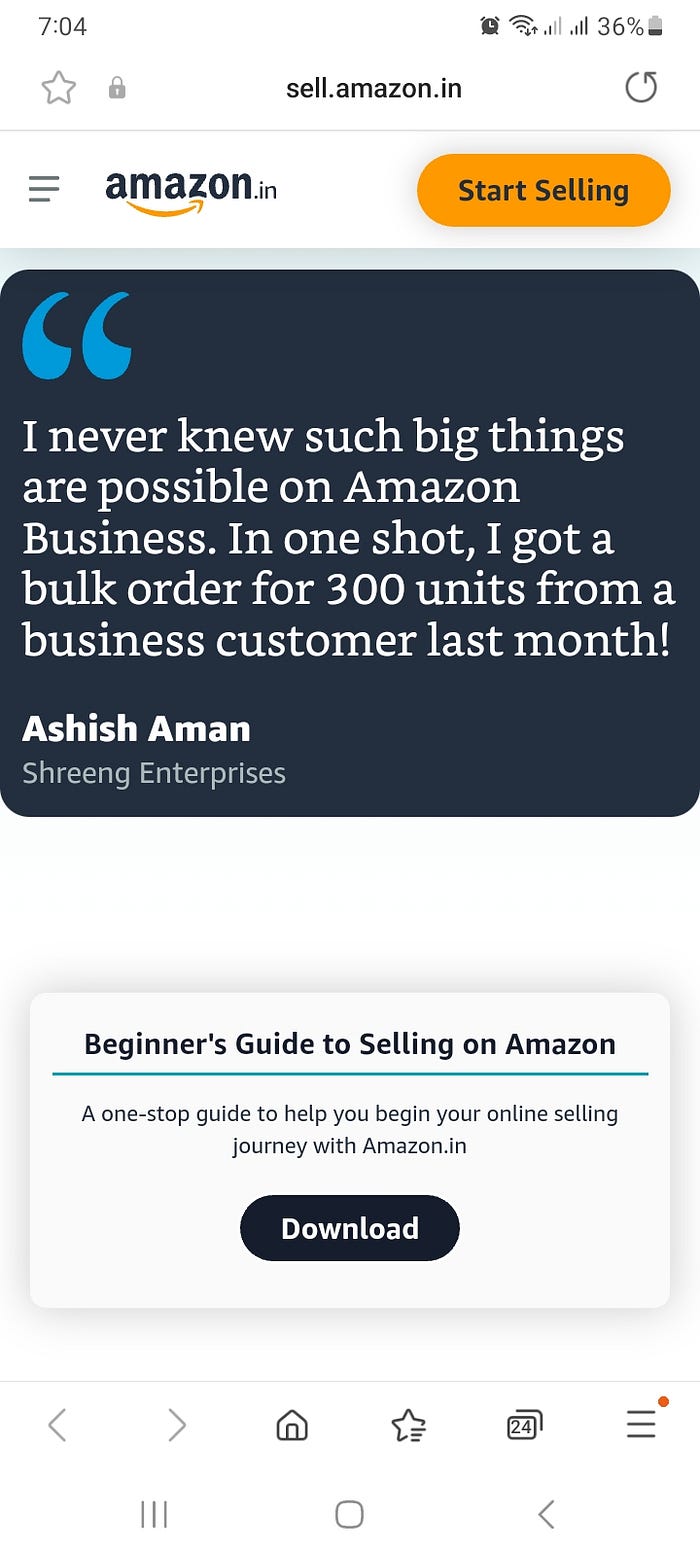
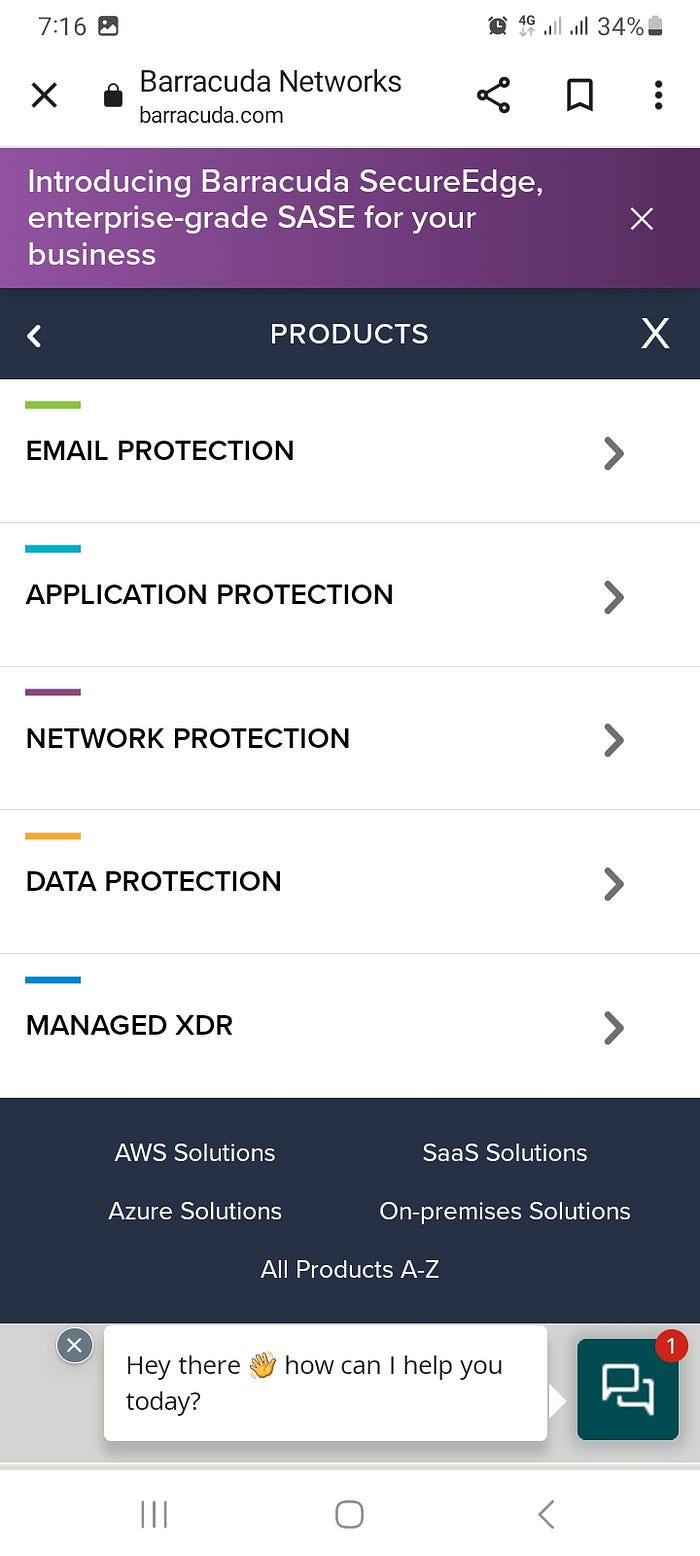
Imagine you’re a B2B e-commerce platform. Your landing page should adapt seamlessly to mobile devices. Visitors should be able to browse your product catalog and initiate a demo or purchase just as easily on their smartphones as on a desktop. Mobile-friendly means more peeps in your ballpark.

Step 7: A/B Testing
Don’t settle for the first version of your landing page. Suppose you’re a B2B software provider. Create two versions of your landing page — one with a short, direct headline and another with a longer, more informative one. Use A/B testing to determine which version generates more sign-ups for your software trial. This iterative approach fine-tunes your messaging for better results.
But how often should you run an A/B test for your landing page? About 71 percent of businesses perform at least two A/B tests monthly. Neil Patel explained that only one in eight A/B tests causes significant change, meaning many companies aren’t seeing results. A/B testing tools provide the right framework and data to run better tests.
I highly recommend Adobe for A/B testing B2B landing pages because of its powerful capabilities. With Adobe, you can conduct extensive A/B tests, enabling you to optimize your B2B landing pages by testing unlimited variations. Their advanced testing features, such as multi-armed testing, allow you to allocate traffic to winning variations, resulting in faster improvements in conversion rates.
Additionally, Adobe’s global edge network ensures that your landing pages load quickly and effectively serve your B2B audience, regardless of location. Adobe is a valuable tool for enhancing the performance of your B2B landing pages and achieving better results in your business.

Step 8: Build Trust
Trust is the name of the game in B2B. Add trust signals like security badges, certifications, or industry affiliations to your landing page. These elements reassure visitors that your products and services are legitimate and reliable. If you have a B2B financial services company, this reassures potential clients that your transactions and data are secure. Look how Bluevine does this.

Step 9: Don’t Forget About SEO
To SEO optimize a landing page, focus on a targeted keyword or keyphrase that aligns with your content and audience’s search intent, incorporating it naturally into your page title, headings, and body text while ensuring readability and relevance. Create a user-friendly URL structure, use descriptive image alt text, and interlink related content.
Optimize page load speed and mobile responsiveness, and ensure a secure HTTPS connection. Craft a compelling meta description to improve click-through rates in search results, and gather high-quality backlinks from authoritative sources to enhance your page’s authority and ranking potential while continually monitoring and improving your SEO strategy based on analytics and evolving search engine algorithms.
Step 10: Test Load Speed
Slow pages are a buzzkill for conversions. Use tools like Google PageSpeed Insights to make your landing page load faster. Quick load times make for happy users and even bump up your search engine cred.
Conclusion
Creating and optimizing a landing page for B2B marketing success requires careful planning and attention to detail. Define your objective, streamline your design, write compelling copy, and continually test and refine your approach. Remember, your landing page is often the first impression your potential customers have of your products and services, so make it count. Follow these steps, and you’ll be on your way to improving your online conversion rates and achieving your marketing goals.
Disclaimer note:
The opinions expressed in this post are those of the author. They do not purport to reflect the opinions or views of ThinkLogic Media Group or any company and their associates.
You can follow me on my socials:
Medium https://medium.com/@dexterwrites2022
Facebook (A spark of B2B) https://www.facebook.com/profile.php?id=100089042254709
Twitter (aSparkofB2B) https://twitter.com/aSparkofB2B
LinkedIn (a-spark-of-b2b) https://www.linkedin.com/company/a-spark-of-b2b
#B2B
#CreateLandingpages
#B2BMarketing
#B2BSales

